





Itchy Dog in Spring? Causes & Easy Relief
Spring is a lovely time of year with longer days, warmer weather, and more time outside with your dog. But for many dogs, it also comes with one downside: itching.
If your dog has started scratching more, licking their paws, or seems uncomfortable, don’t worry. This is very common in spring and is often linked to things like pollen, grass, and other seasonal changes.
The good news is that there are simple ways to help your itchy dog in spring feel more comfortable and enjoy the season again.

Yeast Protection is designed to relieve itching and reduce swelling from yeast and skin issues. It may help with yeast ear infections and provides allergy support for overall comfort. All-natural formula.
Why Dogs Get Itchy in Spring
As the weather warms up, nature comes back to life. And while that’s great for us, it can be uncomfortable for our dogs. Spring brings a mix of changes that can easily irritate your dog’s skin.
These are the most common causes of an itchy dog in spring:
-
Pollen in the air: Trees, grass, and flowers release pollen during spring. These tiny particles can land on your dog’s skin and coat, causing irritation and itching.
-
More time outdoors: Longer days mean more walks, park visits, and playtime outside. While that’s wonderful, it also increases your dog’s exposure to allergens.
-
Mold and damp environments: Spring showers can lead to more moisture in the environment, which encourages mold growth (another common trigger for itchy skin).
-
Fleas becoming active again: Warmer temperatures create the perfect conditions for fleas to thrive. Even a single flea bite can cause intense itching, especially in sensitive dogs.
-
Seasonal shedding and skin sensitivity: Many dogs shed their winter coat in spring. During this time, their skin can be more sensitive and prone to irritation.

Common Symptoms of Seasonal Itching
It’s not always obvious at first that your dog’s discomfort is linked to seasonal changes. But there are a few signs that tend to show up when allergies are involved.
Keep an eye out for:
-
Frequent scratching: If your dog is scratching more than usual, especially throughout the day, it’s often the first sign something’s bothering their skin.
-
Licking or chewing paws: Dogs with allergies often focus on their paws, licking or chewing them to relieve the itch.
-
Red or irritated skin: You might notice patches of redness, especially on the belly, paws, or around the ears.
-
Watery eyes or sneezing: Just like humans, some dogs react to allergens with mild respiratory symptoms.

Better Breathing Respiratory Support provides lung support for dogs. Helpful in fighting the infection to stop coughing at its source. Useful in cases of asthma and other breathing difficulties. All-natural formula. Non-drowsy relief. Easy to use.
-
Hair loss or thinning coat: Constant scratching and licking can lead to bald spots or a dull-looking coat.
-
Ear discomfort: Shaking the head or scratching the ears can be a sign of irritation or even an ear infection linked to allergies.

Most Affected Areas on the Body
When dogs deal with seasonal itching, it usually shows up in specific spots. Knowing where to look can help you catch the signs early and make your dog more comfortable sooner.
These are the areas most commonly affected:
-
Paws: This is one of the biggest trouble spots. Dogs often lick or chew their paws because they come into direct contact with grass, pollen, and other allergens during walks.
-
Belly and groin: The skin here is more sensitive and has less fur, making it easier for irritants to cause redness and itching, especially after lying on grass.
-
Ears: Allergies can lead to itchy ears or even infections. You might notice head shaking, scratching, or a slight odor.
-
Face and around the eyes: Some dogs rub their face on furniture or the ground to relieve itching. You may also see watery eyes or mild swelling.

How to Tell If It’s Seasonal Allergies
It can be tricky to know what’s causing your dog’s itching, especially since skin issues can have different triggers. But there are a few simple clues that point toward seasonal allergies.
Here’s what to look for:
-
It happens around the same time each year: If your dog gets itchy every spring (or fall), it’s often linked to environmental allergens like pollen.
-
Symptoms improve in colder months: When pollen levels drop, many dogs start to feel better. This pattern is a strong indicator of seasonal causes.
-
No recent changes in diet: If you haven’t changed your dog’s food but the itching has suddenly started, it’s less likely to be food-related.
-
Itchiness after being outdoors: If symptoms seem worse after walks or time in the grass, outdoor allergens may be the trigger.
-
Your dog is otherwise healthy: Seasonal allergies usually show up as skin irritation without other major health issues.

Simple Ways to Help Your Dog at Home
If your dog is feeling itchy, there are a few easy things you can do at home to help soothe their skin and reduce irritation. Small daily habits can make a big difference.
Here are some simple ways to support your dog:
-
Wipe paws after walks: Use a damp cloth or pet wipes to gently clean your dog’s paws after being outside. This helps remove pollen and other allergens.
-
Give regular baths: A gentle bath can wash away irritants from your dog’s coat. Stick to a mild and dog-friendly shampoo and avoid over-bathing.
-
Keep bedding clean: Wash your dog’s bed and blankets regularly to reduce the buildup of allergens like pollen and dust.
-
Vacuum frequently: This helps keep your home environment cleaner and lowers exposure to indoor allergens.
-
Avoid peak pollen times: Early mornings and windy days tend to have higher pollen levels. If possible, plan walks later in the day.
-
Dry your dog well after outdoor time: Especially after damp or rainy walks, keeping your dog clean and dry can help prevent skin irritation.

Natural & Supportive Remedies
Along with daily care, some natural options can help support your dog’s skin and keep them more comfortable during allergy season.
Here are a few to consider:
-
Soothing ingredients: Products with ingredients like oatmeal or aloe can help calm irritated skin and provide relief.
-
Omega fatty acids: Adding omega-3s to your dog’s diet (like fish oil or sardines) can support healthy skin and a stronger coat over time.
-
Natural allergy support: Our natural allergy remedy can be a helpful addition during the season. It’s designed to help soothe and heal irritated or sensitive skin, support recovery from minor skin infections, and provide relief from insect bites.

Skin Allergy Rash and Irritations is a natural allergy remedy for all dogs. Helps heal irritated & infected skin. It may provide relief from insect bites. Provides a calming effect. All-natural formula. Easy to use.
-
Coconut oil: A small amount added to your dog’s food or applied lightly to dry areas can help moisturize the skin and reduce itchiness. Start with a tiny amount in their food and build up slowly if it suits them.
-
Probiotic support: A healthy gut can make a big difference for skin issues. Adding plain yogurt or a probiotic supplement can help support their immune system and overall balance.

When to See a Veterinarian
While mild itching is quite common in spring, there are times when your dog may need a little extra help. It’s important to know when to move beyond home care and speak with a professional.
You should consider seeing your vet if:
-
The itching doesn’t improve: If your dog is still uncomfortable after trying simple home remedies, it may need further attention.
-
The scratching becomes intense: Constant scratching, licking, or chewing can damage the skin and make things worse.
-
You notice open sores or scabs: Broken skin can lead to infections and should be treated properly.
-
There are signs of infection: Look out for swelling, warmth, bad odor, or discharge, especially around the ears or skin.
-
Your dog seems distressed or restless: If the itching is affecting their sleep, mood, or behavior, it’s time to get support.
-
Ear issues keep coming back: Repeated ear infections or ongoing discomfort should always be checked.

Prevention Tips for the Season
When it comes to seasonal allergies, prevention can go a long way. Here are some simple ways to stay ahead of spring itching:
-
Start your routine early: Begin wiping paws, bathing, and grooming before allergy season fully kicks in.
-
Keep up with regular grooming: Brushing your dog helps remove pollen, dirt, and loose hair from their coat.
-
Stay consistent with flea prevention: Even if fleas aren’t visible, prevention is key during warmer months.
-
Support healthy skin year-round: A strong skin barrier makes your dog less sensitive to allergens.
-
Limit exposure when possible: On high pollen days, shorter walks or avoiding grassy areas can help.
-
Create a clean home environment: Regular cleaning, washing fabrics, and good airflow can reduce indoor allergens.

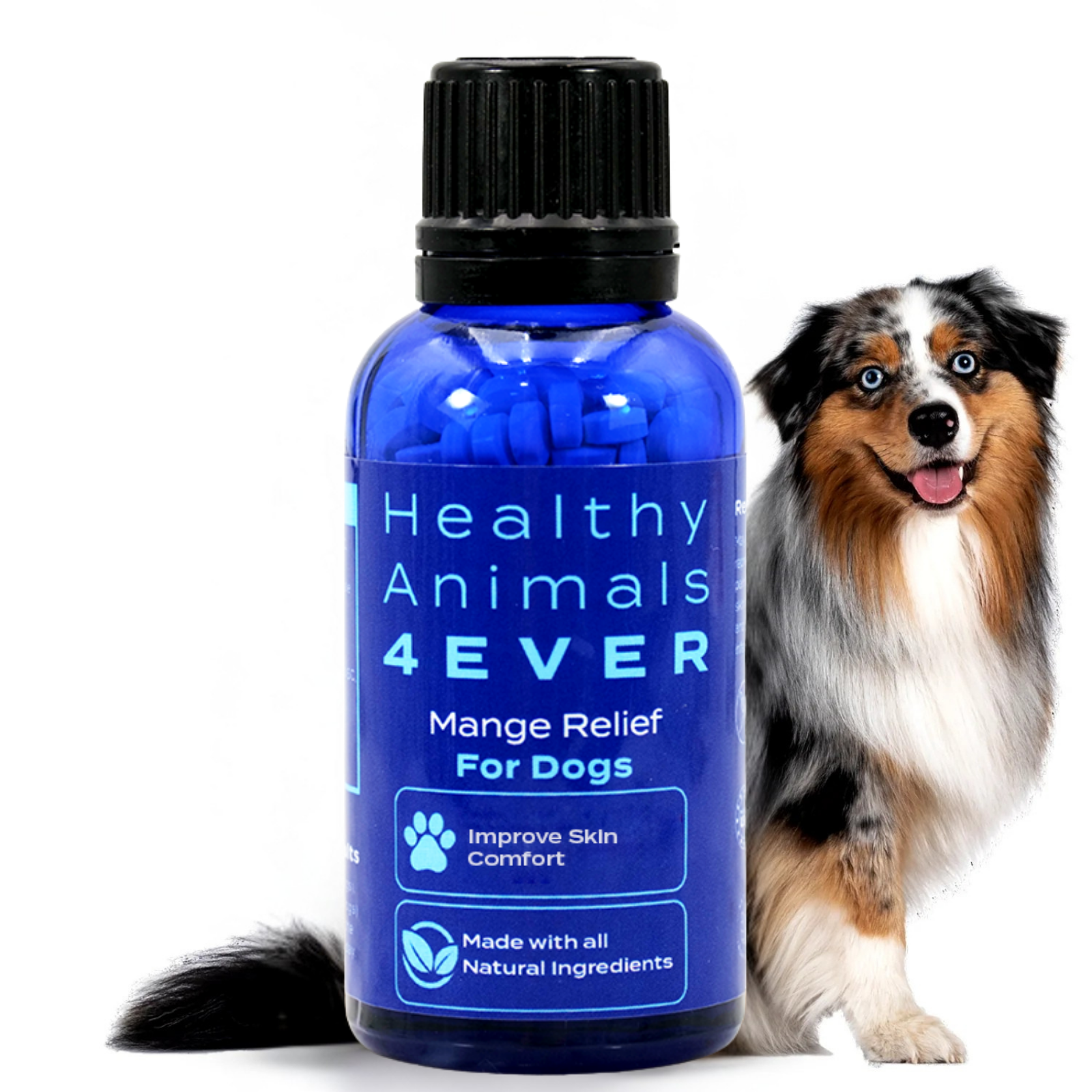
Mange Relief is a natural mange remedy for dogs. It works as a supportive and preventative product to maintain ongoing wellness in your pet. Helps with itchiness, scabs, crustiness, inflammation, redness, and hair loss caused by skin mites.
Bottom Line
Spring itching is common in dogs, but it can be managed. With a few small changes and some extra care, you can help reduce the discomfort and keep your dog feeling their best.
Pay attention to the signs, stay consistent with care, and ask for help if needed. With the right support, your dog can enjoy spring feeling comfortable, happy, and itch-free.